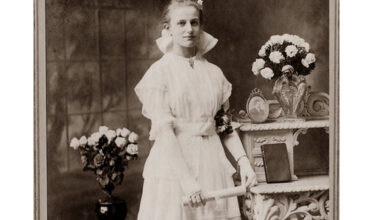
Basic Information
| Field | Details |
|---|---|
| Full name | Filippa Maria “Fannie” Lucania Galasso |
| Birth | January 31, 1901 |
| Birthplace | Lercara Friddi or nearby Serradifalco, Sicily, Italy |
| Parents | Antonino “Antonio” Lucania and Rosalia “Rose” Cafarella Lucania |
| Siblings | Giuseppe “Joseph,” Bartolomeo “Bartolo,” Salvatore “Charles ‘Lucky’ Luciano,” Concetta “Connie” |
| Immigration | Circa 1907 to New York City |
| Early occupation | Milliner in a New York shop |
| Later occupation | Homemaker |
| Spouse | Michael Galasso |
| Children | Salvatore M. Galasso and two additional children who remain private |
| Adult residences | Manhattan, New York City, and Harrison, Westchester County, New York |
| Death | September 4, 1989, in White Plains, New York, at age 88 |
| Burial | Saint John Cemetery, Middle Village, Queens, New York |
| Citizenship | United States citizen through family naturalization |
Sicilian Roots and a Journey to New York
Filippa Lucania was born in Sicily’s rough interior on January 31, 1901. Her birthplace is Lercara Friddi, although family documents and memories suggest Serradifalco. These were mining communities and rural villages, and many Sicilian families had the same story: grueling work at the sulfur pits, too many mouths to feed, and the lure of America.
The Lucanias crossed the Atlantic and lived in Manhattan’s noisy Lower East Side around 1907. The family started over in a pushcart and tenement neighborhood. Italian was spoken at home, English in school and on the streets. The promise was simple and huge. Filippa saw a future defined by job and family.
Growing Up on the Lower East Side
Filippa was a teenager and young woman in a traditional, practical household between the late 1910s and 1920s. She became a milliner in a New York store, a popular trade for elegant young women in the feathered brim and wide crown era. She spent long days sewing and sculpting, establishing a skill that paid bills and gave her independence.
The Lower East Side was a world of music, disputes, church bells, and streetcar clangs. Her parents, Antonino and Rosalia, kept their children close, their customs near, and pushed them to embrace American potential without forgetting their Sicilian heart at the family table many nights.
Marriage to Michael Galasso and a Home in Westchester
Filippa married Michael Galasso before 1940 in a private marriage. The couple relocated north to Harrison, Westchester, in 1940. The move from city tenements to the suburbs was a conscious choice for a quieter life. Raising children and maintaining a household. Westchester had smoother beats than LES. Cities were accessible by train, but nights were for family, gardens, and neighbors.
It was a life that rarely made headlines. There were milestone dates, small celebrations, and careful budgets. It was deeply ordinary in the best sense, a life of routine and responsibility, where the days flowed into seasons and the years into decades.
A Sister to Lucky Luciano, Yet Far from the Underworld
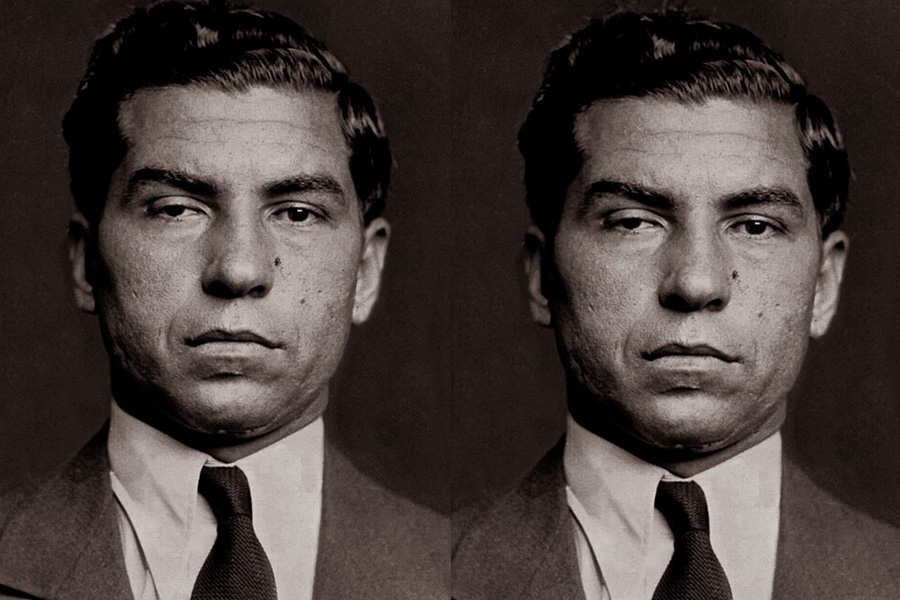
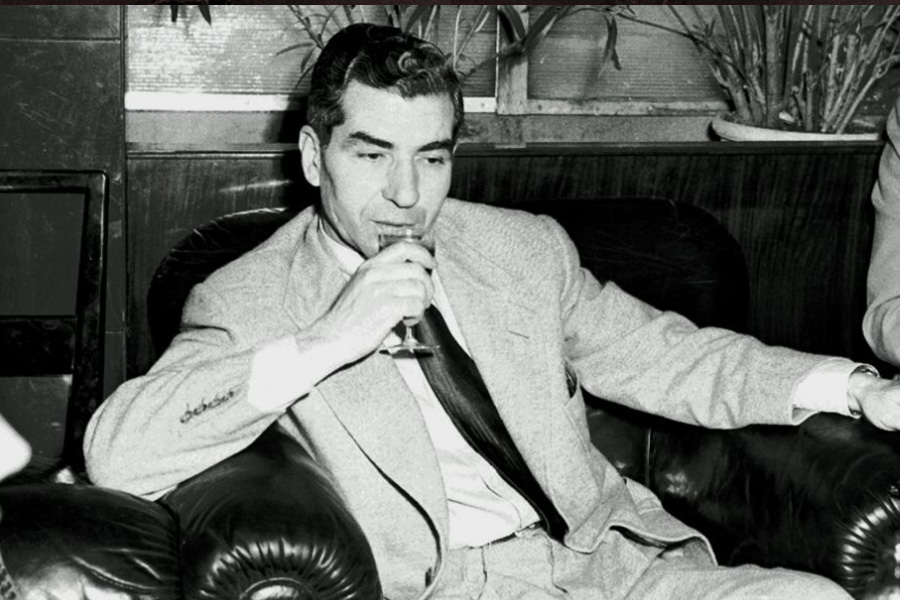
Charles “Lucky” Luciano, Filippa’s brother, is famous in American history. He transformed organized crime, changing power structures and captivating a nation’s fear and interest. Filippa went a different way. As a family woman who valued privacy and home, she avoided that environment.
A Sicilian beach reunion in 1948 reunited Salvatore in exile, Bartolomeo, and Filippa. A few photos from that day remain in family histories and organized crime forums, showing a sister with brothers who went opposite paths. This painful reminder shows that enormous public myths often coexist with quieter, real lives.
The Lucania Family at a Glance
| Name | Relation | Life Dates | Notes |
|---|---|---|---|
| Antonino “Antonio” Lucania | Father | c. 1857 to 1935 | Worked in Sicily’s sulfur industry, immigrated with family |
| Rosalia “Rose” Cafarella Lucania | Mother | 1866 to 1935 | Matriarch of the household in Manhattan |
| Giuseppe “Joseph” Lucania | Brother | Born 1885 | Naturalized in the U.S., kept a low profile |
| Bartolomeo “Bartolo” or “Bert” Lucania | Brother | Born 1890 to 1891, died 1962 | Present at family events and photos, attended Salvatore’s burial |
| Salvatore “Charles ‘Lucky’ Luciano” Lucania | Brother | 1897 to 1962 | Notorious American mobster, deported to Italy in 1946 |
| Concetta “Connie” Lucania | Sister | Born 1903, died after 1989 | Married into the Digiacomo family |
| Filippa Maria “Fannie” Lucania Galasso | Subject | 1901 to 1989 | Milliner in youth, later a homemaker in Westchester |
Timeline Highlights
| Year | Age | Event |
|---|---|---|
| 1901 | 0 | Born in Lercara Friddi or Serradifalco, Sicily |
| c. 1907 | 6 | Immigrated to the United States with her family |
| 1920 | 19 | Living in Manhattan, working as a milliner |
| 1930s | Late 20s to 30s | Marriage to Michael Galasso and family life begins |
| 1940 | 39 | Residing in Harrison, Westchester County, New York |
| 1948 | 47 | Family reunion in Sicily with brothers Bartolomeo and Salvatore |
| 1989 | 88 | Died in White Plains, New York, and laid to rest in Queens |
Names, Traditions, and the Echo of Family
Italian families often carry names like heirlooms. Filippa and Michael’s son bore the name Salvatore M. Galasso, echoing the Lucania family’s naming traditions. Whether chosen to honor kin or to keep lineage threads tight, such names tie generations together in ways as strong as rope.
Her children’s lives were kept private, a deliberate shelter from the glare that often falls on families connected to famous names. This discretion reflects the guiding principle of Filippa’s life: protect the home, uphold the family, keep faith with ordinary responsibilities.
Work, Home, and the Measure of a Life
Filippa briefly designed city street caps. Later, she worked on care, food, and timetables. Their economy, like many immigrant households, relied on hidden work. Labor turned wages into fed children and four buildings into shelter.
If headlines measure public life, steady acts measure private life. Moving from Manhattan to Westchester is a change of scenery and a sign of persistence. It reflects many early 20th-century immigrant stories: arrive with nothing, work hard, find a peaceful location to raise a family, and keep onto values that crossed the seas.
Separation of Paths, Enduring Bonds
Filippa remained known despite Salvatore’s fame. While relatives can be touchstones or cautionary stories, family relationships frequently outlast reputation. The 1948 photos show siblings at ease by the sea, where gangster and homemaker fade into the salt air. It conveys kinship better than headlines.
Resting Place and Final Notes
Filippa, 88, died in White Plains on September 4, 1989. Saint John Cemetery in Middle Village, Queens, is where many Italian-American family are buried. Her journey ends at the cemetery stone, but her legacy lives on in family trees, quiet houses, and names.
FAQ
Who was Filippa Lucania?
She was the younger sister of Salvatore “Lucky” Luciano and lived a private, family-centered life in New York.
When and where was she born?
She was born on January 31, 1901, in Sicily, recorded as Lercara Friddi with some mentions of nearby Serradifalco.
How was she related to Lucky Luciano?
She was his younger sister in a family of five siblings.
When did she immigrate to the United States?
She immigrated with her family around 1907 and settled in Manhattan.
Did she have any involvement in organized crime?
No, she had no involvement and lived far from her brother’s criminal world.
What work did she do when young?
She worked as a milliner, crafting hats in a New York shop.
Whom did she marry?
She married Michael Galasso before 1940.
How many children did she have?
She had at least three children, including a son named Salvatore M. Galasso.
Where did she live as an adult?
She lived in Manhattan and later in Harrison, Westchester County, New York.
Is there evidence of her meeting Lucky Luciano after his deportation?
Yes, a 1948 family photo from Sicily shows her with brothers Bartolomeo and Salvatore.
When did she die and where is she buried?
She died on September 4, 1989, in White Plains and is buried at Saint John Cemetery in Middle Village, Queens.
What were the names of her parents?
Her parents were Antonino “Antonio” Lucania and Rosalia “Rose” Cafarella Lucania.