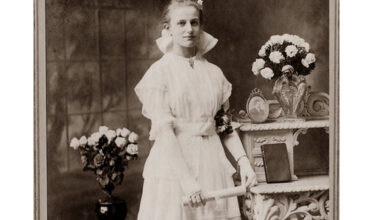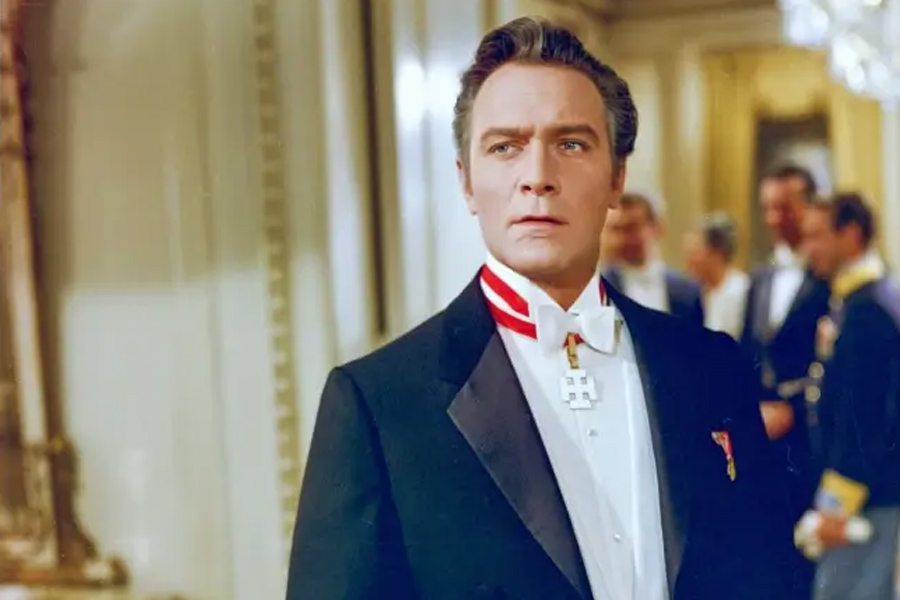
Basic Information
| Field | Details |
|---|---|
| Full name | Georg Ludwig Ritter von Trapp, commonly called Baron Von Trapp in English |
| Birth | 4 April 1880, Zara, Austro-Hungarian Empire (now Zadar, Croatia) |
| Death | 30 May 1947, Stowe, Vermont, United States |
| Nationality | Austro-Hungarian by birth; later American citizen |
| Occupation | Naval officer, submarine commander, author, family patriarch |
| Military service | Austro-Hungarian Navy, World War I |
| Commands | U-5, U-14 |
| Notable honors | Knight’s Cross of the Military Order of Maria Theresa, among other decorations |
| Parents | August Johann Trapp and Hedwig Wepler |
| Siblings | Hede von Trapp; Werner (killed in World War I) |
| First spouse | Agathe Whitehead (m. 1911, d. 1922) |
| Second spouse | Maria Augusta Kutschera (m. 1927) |
| Children | Ten in total: seven with Agathe, three with Maria |
| Legacy | Central figure behind the family story that inspired The Sound of Music; founding patriarch of the Trapp Family Singers and the Vermont lodge that bears the family name |
Origins and Naval Schooling
The Habsburg-ruled Adriatic port of Zara was where Georg von Trapp was born on April 4, 1880. The sea was almost woven into his family. When Georg was four, his father, August Johann Trapp, a naval commander and Ritter, died, urging him to follow in his footsteps. As a youth, he studied navigation, gunnery, and undersea warfare at the Imperial and Royal Naval Academy. As Europe entered the 1914 tragedy, duty became distinction.
The Submarine Commander
Von Trapp switched from surface ships to stealthy, steel-bellied submarines during WWI. He led the U-5 and then the U-14 in the Adriatic and Mediterranean, when commercial convoys and warships navigated narrow straits under constant threat. After the war, he was the most successful Austro-Hungarian submarine captain. The records show him sinking 11 Allied commercial ships and two battleships. His bravery and seamanship earned him the Knight’s Cross of the Military Order of Maria Theresa, the monarchy’s highest military order. His Austrian title was Ritter, although he was known as Baron Von Trapp in English.
Marriage, Wealth, and Loss
Von Trapp married Agathe Whitehead, granddaughter of the English engineer whose torpedo factory supplied the empire’s navy, in 1911. Their 1911–1921 marriage brought love and resources, and they had seven children: Rupert, Agathe, Maria Franziska, Werner, Hedwig, Johanna, and Martina. Agathe’s 1922 death left him a widower with a huge, suffering household. He returned to family and wartime shipping and related businesses. Prosperity ended. A bank bankruptcy during the Great Depression destroyed much of the family’s work, changing their route from peaceful domesticity to public performance.
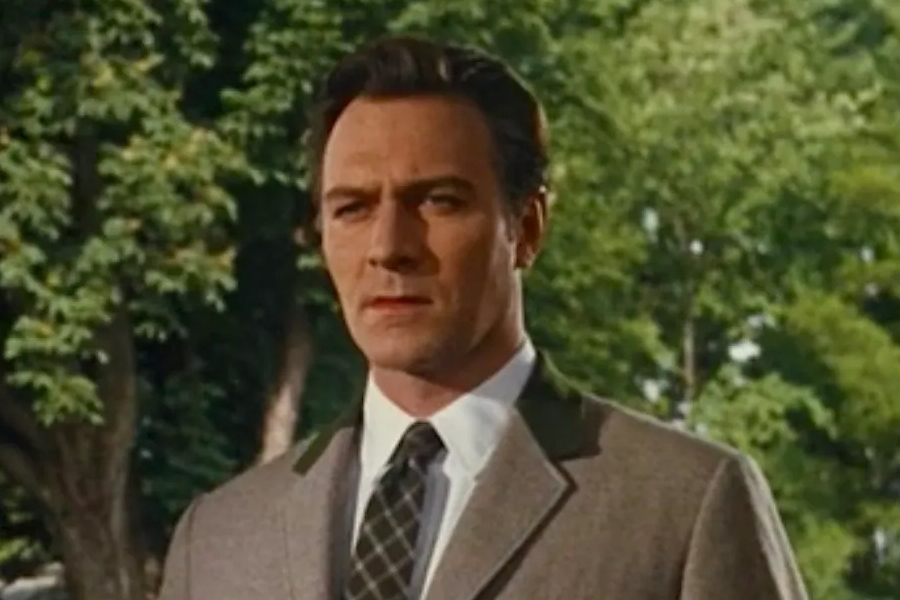
Maria Arrives and a New Household
Maria Augusta Kutschera, a teenage instructor, tutored one child’s health and education at the von Trapp estate in 1926. She was energetic, musical, and organized. Georg married Maria in 1927, combining duty and love and extending the family. More children followed: Rosmarie (1929), Eleonore (1931), and Johannes (1939). Father Franz Wasner, their musical director, led the family to sing publicly in 1934, turning their hobby into a career. They received first prize at the 1936 Salzburg Music Festival, turning a hobby into a career.
Leaving Austria and Building a New Life
The family’s morality held up throughout storms. Georg refused a Nazi naval appointment after the 1938 Anschluss. With quiet determination, the family left Austria via train to Italy, not mythical mountain pathways. Concert tours brought ancient and new worlds together. In the 1940s, they performed across the US and were naturalized Americans after crossing the Atlantic. Johannes, the youngest, was born in America in 1939. As he lectured, published his war memoir, and told the family’s experience to audiences that associated their name with harmony and resistance, Georg’s voice changed from instructions to narrative.
From Concert Halls to Vermont Meadows
For a sea captain who traded steel decks for wooden porches, Vermont’s green hills became his new shoreline. The family settled in Stowe, farmed, and hosted guests. Maria and the children continued the work after Georg died at 67 in 1947. By 1950, the Trapps established their hospitality business. Over decades, the property became a lodge and resort with trails, festivals, and a brewery, blending alpine memories with New England light. At 75 years old, the von Trapp Family Lodge and Resort rebranded in 2025, highlighting how a wartime emigration became a multigenerational American story.
Recent years have preserved the legacy. In 2025, Johannes von Trapp, the last surviving child of Georg and Maria, retired from running the business. After living at the lodge and serving abroad, Rosmarie died in 2022. Family memories and public accolades have shined on her. The family cares for memories and meadows in Vermont and abroad.
Family Tree at a Glance
| Child | Mother | Birth year | Noted later path |
|---|---|---|---|
| Rupert | Agathe Whitehead | 1911 | Physician and family performer |
| Agathe | Agathe Whitehead | 1913 | Teacher and author |
| Maria Franziska | Agathe Whitehead | 1914 | Missionary and performer |
| Werner | Agathe Whitehead | 1915 | World War II veteran and Vermont farmer |
| Hedwig | Agathe Whitehead | 1917 | Teacher and family performer |
| Johanna | Agathe Whitehead | 1919 | Artist and family performer |
| Martina | Agathe Whitehead | 1921 | Youngest of the first seven; died after childbirth complications |
| Rosmarie | Maria Augusta Kutschera | 1929 | Worked at the lodge and in Papua New Guinea |
| Eleonore | Maria Augusta Kutschera | 1931 | Married Hugh Campbell, mother of seven daughters |
| Johannes | Maria Augusta Kutschera | 1939 | Family businessman and long time lodge leader |
Johannes’s children Kristina and Sam and Eleonore’s daughter Elizabeth Campbell, who translated Georg’s memoir, are public figures. Later generations include August, Amanda, Melanie, Sofia, and Justin in family updates, showing that history continues.
Honors and Service Record
| Category | Details |
|---|---|
| Naval academy | Imperial and Royal Naval Academy, late 1890s |
| Service branch | Austro-Hungarian Navy |
| Specialty | Submarine command |
| Commands | U-5 and U-14 |
| Wartime record | 11 merchant ships sunk, 2 warships destroyed |
| Decorations | Knight’s Cross of the Military Order of Maria Theresa, among others |
| Postwar work | Shipping related ventures, lectures, writing, and family leadership |
The Making of a Cultural Legend
The von Trapp narrative has two arcs woven together like sail and mast. First, a renowned naval officer who understood war’s cold logic and peril. Second is familial and musical: a large family that found harmony during hard times and spread it across borders and oceans. Georg is the silent heart of a booming saga at the hinge of those arcs. In English language memory, he was Baron Von Trapp, who leads his family to freedom from oppression.
Legends use the Alps as a theatrical prop and simplify into song. The truth is firmer but stirring. The family departed by rail, traveled by contract and courage, and rebuilt via art, hospitality, and land stewardship. If the submarine taught Georg to command silently, Vermont taught his successors to welcome in chorus.
Legacy by the Numbers
- 1880 to 1947: Georg von Trapp’s life span.
- 11 merchant ships and 2 warships: wartime sinkings credited to his command.
- 10 children: seven with Agathe, three with Maria.
- 1934: the family’s public singing debut.
- 1936: first prize at the Salzburg Music Festival.
- 1938: departure from Austria for Italy.
- 1950: opening of the family lodge in Vermont.
- 2025: 75th anniversary of the lodge and a refreshed brand identity.
FAQ
Was Baron Von Trapp really a baron?
He is widely known in English as Baron Von Trapp, though his Austrian hereditary title was Ritter, which is often translated as knight.
How did the von Trapps leave Austria in 1938?
They left by train to Italy after Georg refused to serve the Nazi regime, then continued their journeys through concerts and visas.
How many children did Georg von Trapp have?
He had ten children, seven with his first wife Agathe Whitehead and three with his second wife Maria Augusta Kutschera.
What made Georg von Trapp famous before the family sang?
His decorated service as an Austro-Hungarian submarine commander in World War I made him nationally prominent.
Where did the von Trapp family settle in the United States?
They settled in Stowe, Vermont, where the family established a lodge that evolved into a year round resort.
Did the family really win a major music prize before leaving Austria?
Yes, the family won first prize at the Salzburg Music Festival in 1936.
When did Georg von Trapp die?
He died in 1947 in Stowe, Vermont.
Who led the family musically during their early performances?
Father Franz Wasner served as musical director as the family began public concerts in the 1930s.
Is any of Georg’s immediate family still involved with the lodge?
Yes, descendants have long managed and worked at the property, with Johannes von Trapp serving for decades before stepping back in 2025.
What happened to Georg’s first wife?
Agathe Whitehead died in 1922, leaving Georg a widower with seven children.