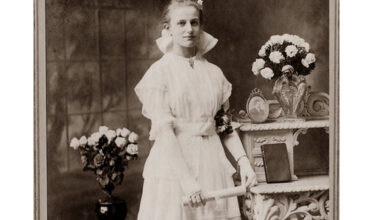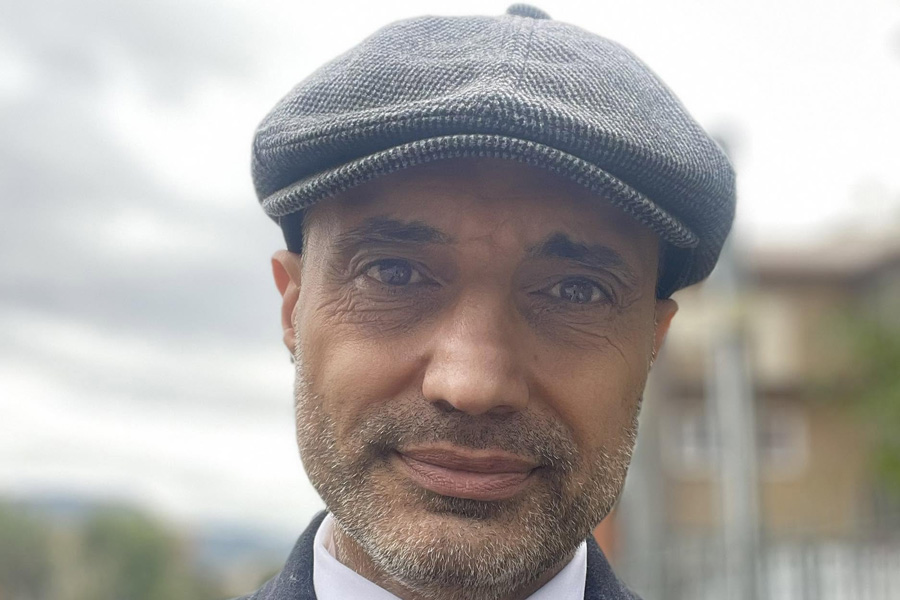
Basic Information
| Field | Details |
|---|---|
| Full name | Gaetano Ciccone |
| Birth | February 18, 1901 |
| Birthplace | Pacentro, Abruzzo, Italy |
| Parents | Nicola Pietro Ciccone and Maria Anna Mancini |
| Spouse | Michelina Louise DiJulio Ciccone |
| Marriage | Married in Pacentro before emigration |
| Immigration | Arrived in the United States around 1920; settled in Aliquippa, Pennsylvania |
| Occupation | Steel mill laborer; working class provider |
| Community | Italian American fraternal circles, including the Order Sons of Italy |
| Children | Five sons: Guido, Rocco, Nello, Pietro, Silvio Tony |
| Death | December 27, 1973, Aliquippa, Pennsylvania |
| Known for | Patriarch of a Pennsylvania Italian American family; paternal grandfather of Madonna |
Early Years in Pacentro
Gaetano Ciccone was born in Pacentro, a medieval town in the Apennines’ snow-shadow, on February 18, 1901. Nicola Pietro Ciccone and Maria Anna Mancini were from a long-standing Abruzzese community that lived by stonemasonry, farming, and seasonal migration. Some modern accounts suggest a different mother, although family records name Maria Anna Mancini.
Pacentro offered beauty and hardship in equal measure. Young Gaetano would have known the clang of church bells, the scent of chestnut fires, and the steady tick of village time. Yet the twentieth century moved faster than mountain life, and like millions of Italians, he looked outward.
War Service and the Decision to Leave Italy
Europe had crumbled by his late teens. Family records place Gaetano in uniform circa 1918–1919, working in the Alpine cold where trenches ripped into rock and troops fought frost as much as the enemy. Later, family say he nearly froze. Months left their imprint. Experience and political currents in postwar Italy drove him to live across the water.
It was around this period that he married his hometown sweetheart, Michelina DiJulio. Her father provided a 300 dollar dowry for their start. According to family memory, that sum financed Gaetano’s ticket to America. The couple’s commitment would span continents before it reunited under one roof.
Crossing the Atlantic and First Years in America
Gaetano traveled to Aliquippa, Pennsylvania, on steerage between 1918 and 1920. Blast furnaces, shift whistles, and immigrant boardinghouses characterized Aliquippa, an Ohio River steel town. He worked in mills and mastered industrial America’s strict routine. He sent home letters and money via boat.
In 1922, Michelina followed and joined him in Aliquippa. They established a household that mixed Abruzzese tradition with American possibility. Their home was modest, a two story structure typical of mill towns, yet it carried the warmth of a family determined to plant deep roots.
Building a Family in Pennsylvania
The 1920s and early 1930s brought the couple a lively brood. Gaetano and Michelina raised five sons in Pennsylvania, young men who embodied the first generation of their line born on American soil. Public records and family retellings point to the following children, all Aliquippa births:
| Child | Approximate birth year | Notes |
|---|---|---|
| Guido Ciccone | c. 1923 | Eldest son |
| Rocco Ciccone | c. 1924 | Second son |
| Nello (Neilo) Ciccone | c. 1925 | Third son |
| Pietro (Peter) Ciccone | c. 1927 | Fourth son |
| Silvio Tony Ciccone | 1933 | Youngest son, father of Madonna |
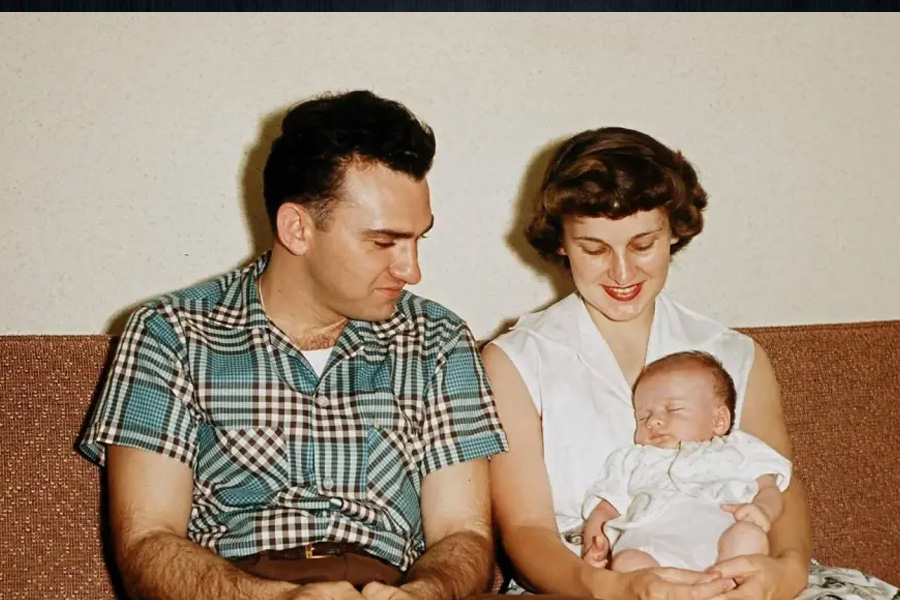
Some family members discuss the possibility of a daughter, however the publicly available list features five sons. Michelina, known as Louise within the family, ran the household with thrift and pride. Gaetano worked hard hours to maintain food on the table and shoes on his growing feet. The couple’s parenting technique combined traditional discipline with new world aspiration.
Work, Community, and Character
In Aliquippa, mills employed and metronomed. Gaetano worked in steel for decades for low salaries. He produced weapons, bridges, and tracks for a nation. Years later, his granddaughter Madonna saluted the immigrants who worked for pennies in those mills, linking her stage lights to his workplace glow.
Beyond wages, there was community. Gaetano participated in Italian American life, attending gatherings and affiliating with groups such as the Order Sons of Italy. Fraternal halls provided mutual aid, language familiarity, and a sense that the old country lived on in new neighborhoods.
Family lore once described Gaetano as an inventor in Italy, a man of tinkering spirit. While no patents or formal records confirm inventions, the image suits a man who solved problems with his hands. In a steel town, ingenuity was not a luxury. It was survival.
Grandchildren and a Wider Legacy
From the youngest son Silvio Tony Ciccone sprang a large second generation. Gaetano saw the earliest of them and knew the rest through stories and visits before his death in 1973. The grandchildren through Silvio included:
- Anthony Ciccone, born 1956
- Martin Ciccone, born 1957
- Madonna Louise Ciccone, born 1958
- Paula Ciccone, born 1959
- Christopher Ciccone, born 1960
- Melanie Ciccone, born 1962
- Jennifer Ciccone, born 1968
- Mario Ciccone, born 1969
One granddaughter would become a global icon of music and performance. Fame, however, was not the measure that mattered in Gaetano’s lifetime. His achievement was simpler and sturdier. He had crossed an ocean, found work, built a home, and set his family on its way.
Great Grandchildren
Madonna’s children’s maternal great-grandfather is Gaetano. Lourdes Lola Leon, Mercy James, Rocco Ritchie, David Banda, and Estere Ciccone are among the growing group. From an Abruzzese village and a Pennsylvania mill town, their surnames have spread across continents and cultures.
Names, Variations, and Family Notes
Family history can collide with misinterpreted records or oral stories. Gaetano sometimes misidentifies his mother. Family research and historical records show Maria Anna Mancini raised him in Pacentro, not Eleonora Lucci. Immigrant lines often include spelling errors and memory fills in the gaps.
Even the spelling of given names changed with the ocean crossing. Michelina became Louise to neighbors. Nello sometimes appears as Neilo. Pietro was Peter on American forms. The home language pressed up against English, and the family learned to live in both.
Timeline Snapshot
| Year | Event |
|---|---|
| 1901 | Born February 18 in Pacentro, Abruzzo, Italy |
| 1918 to 1919 | Serves as a teenager near the end of World War I on the Alpine front |
| 1918 to 1920 | Marries Michelina DiJulio in Italy; uses a 300 dollar dowry to secure passage |
| 1920 | Arrives in the United States and settles in Aliquippa, Pennsylvania |
| 1922 | Michelina immigrates to join him in Pennsylvania |
| 1923 to 1933 | Five sons are born in Pennsylvania: Guido, Rocco, Nello, Pietro, Silvio Tony |
| 1956 to 1962 | Grandchildren Anthony, Martin, Madonna, Paula, Christopher, and Melanie are born |
| 1968 to 1969 | Grandchildren Jennifer and Mario are born |
| 1973 | Dies December 27 in Aliquippa, Pennsylvania |
FAQ
Where and when was Gaetano Ciccone born?
He was born on February 18, 1901 in Pacentro, Abruzzo, Italy.
Who were his parents?
His parents were Nicola Pietro Ciccone and Maria Anna Mancini.
When did he immigrate to the United States?
He arrived around 1920 and settled in Aliquippa, Pennsylvania.
What kind of work did he do in America?
He worked for decades in the steel mills of Aliquippa.
Who was his wife?
He married Michelina Louise DiJulio in Italy, and she joined him in Pennsylvania in 1922.
How many children did he have?
Gaetano and Michelina raised five sons: Guido, Rocco, Nello, Pietro, and Silvio Tony.
Is he related to the singer Madonna?
Yes, he is Madonna’s paternal grandfather through his youngest son, Silvio Tony Ciccone.
Did he serve in World War I?
Family accounts place him in late stage war service around 1918 to 1919 in the Alps.
When did he die and where is he buried?
He died on December 27, 1973 in Aliquippa, Pennsylvania; local records note his burial in the area.
Was he involved in community organizations?
Yes, he participated in Italian American circles, including the Order Sons of Italy.